Tabletop vs display painting: choosing a commission finish
Choose a miniature painting finish for gaming armies, characters and display pieces. Understand finish levels, style and portfolio references.
By BrushLink · Reviewed
Choose for how you will use the models
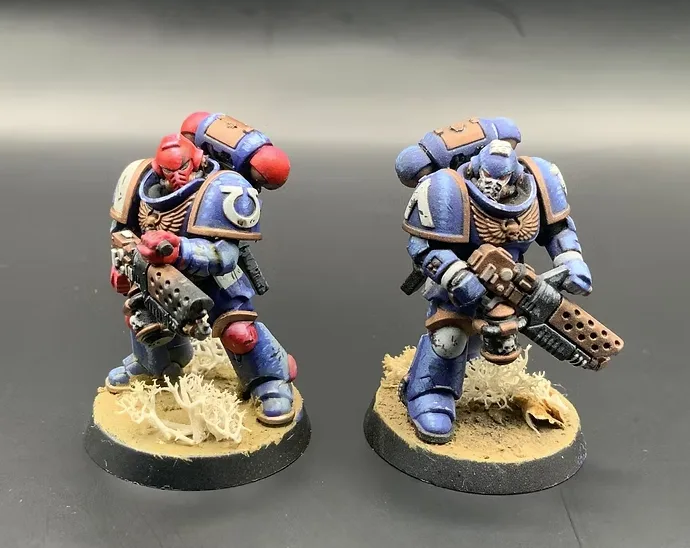
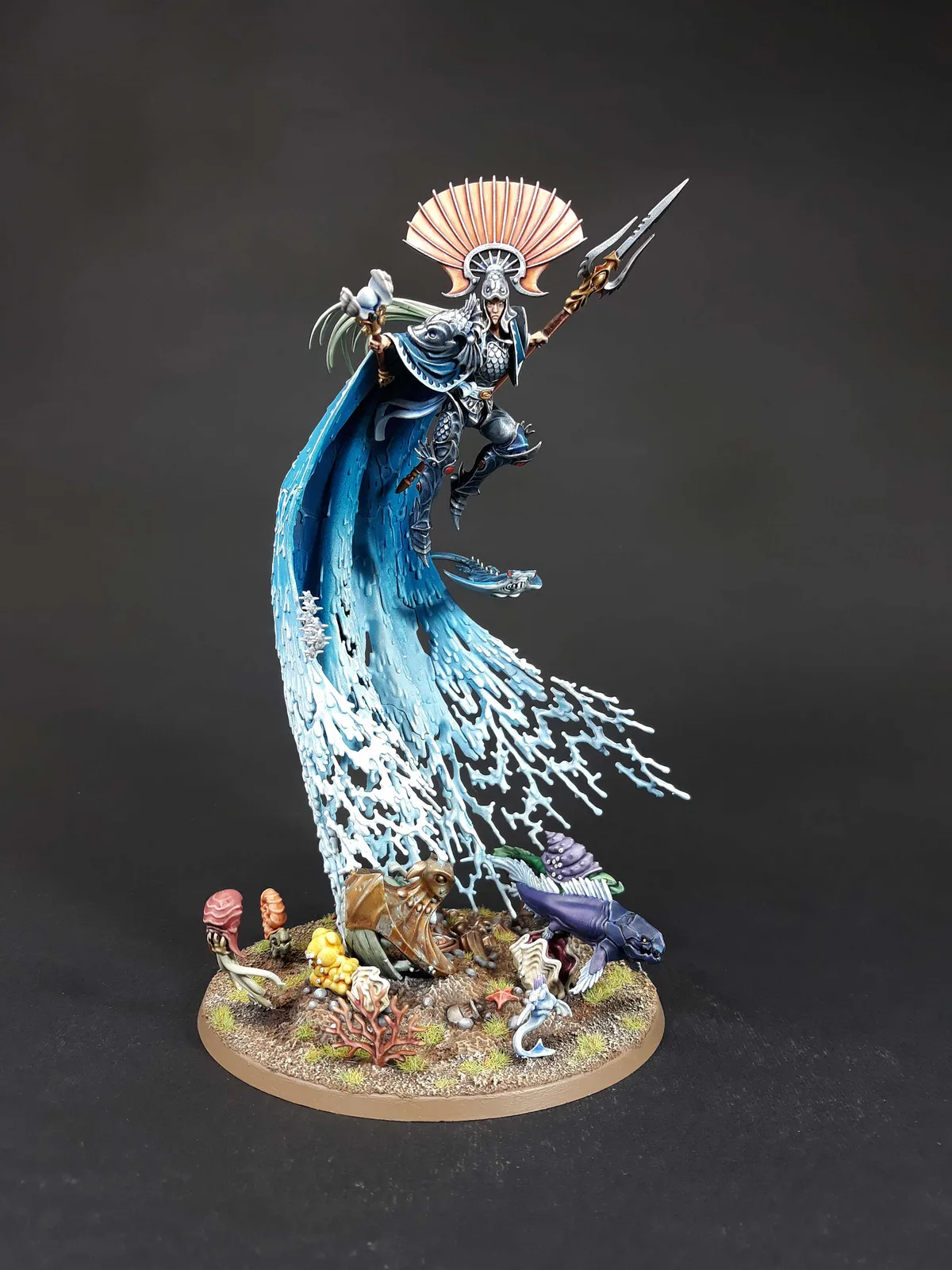
For a gaming army, think about how the force looks together at arm's length, whether unit markings are readable and whether the basing suits your table. For a display character or bust, close-up transitions, focal points and fine details may matter more. You can use different finishes within one project, with a more detailed centerpiece and a consistent finish for the rank and file.
Finish and style answer different questions
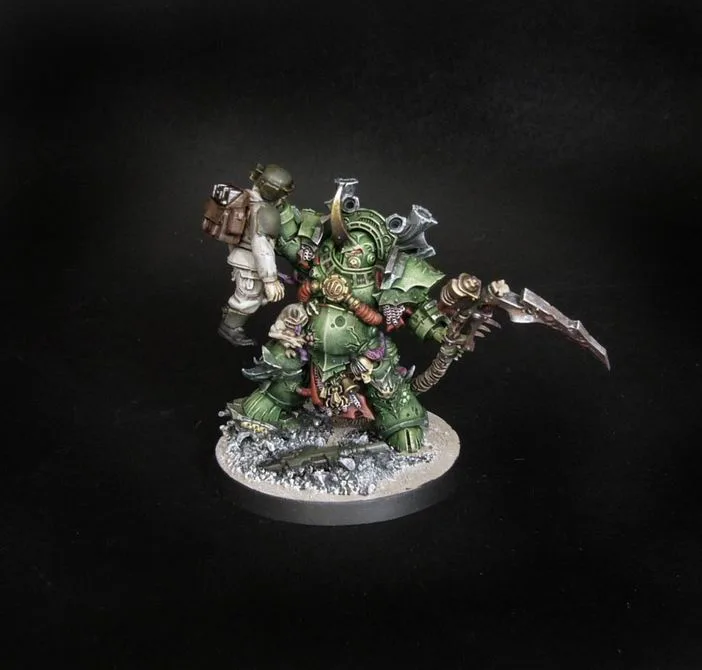
Finish describes the amount and type of work. Style describes the look. Grimdark, bright comic-style painting, realistic weathering and clean studio-style color schemes can each be approached at different levels of detail. Ask for a specific look and an agreed finish instead of treating grimdark as a pricing tier.
Read a painter's actual examples
Look at several completed pieces by the painter, ideally models similar to yours. Compare skin, cloth, metallics, faces and bases as well as the overall color scheme. Close-ups reveal detail; wider photographs show whether a unit feels coherent. Ask which examples represent the service you are being quoted.
Use references to remove ambiguity
Describe the details you want to keep and the ones you can omit. For example: a dark blue armored squad, pale bases, visible squad markings and restrained weathering, with extra attention on the leader's face. Agree whether freehand, object-source lighting, non-metallic metal or elaborate scenic bases are included, rather than assuming a finish name promises them.
Balance the whole project
A finish that works for one character may not fit the budget or schedule for an entire army. Share your priorities and ask the painter for a scope they can actually deliver. Their prices, capacity and shipping area determine what is possible. Browse portfolios first, then discuss the brief with the painter.